
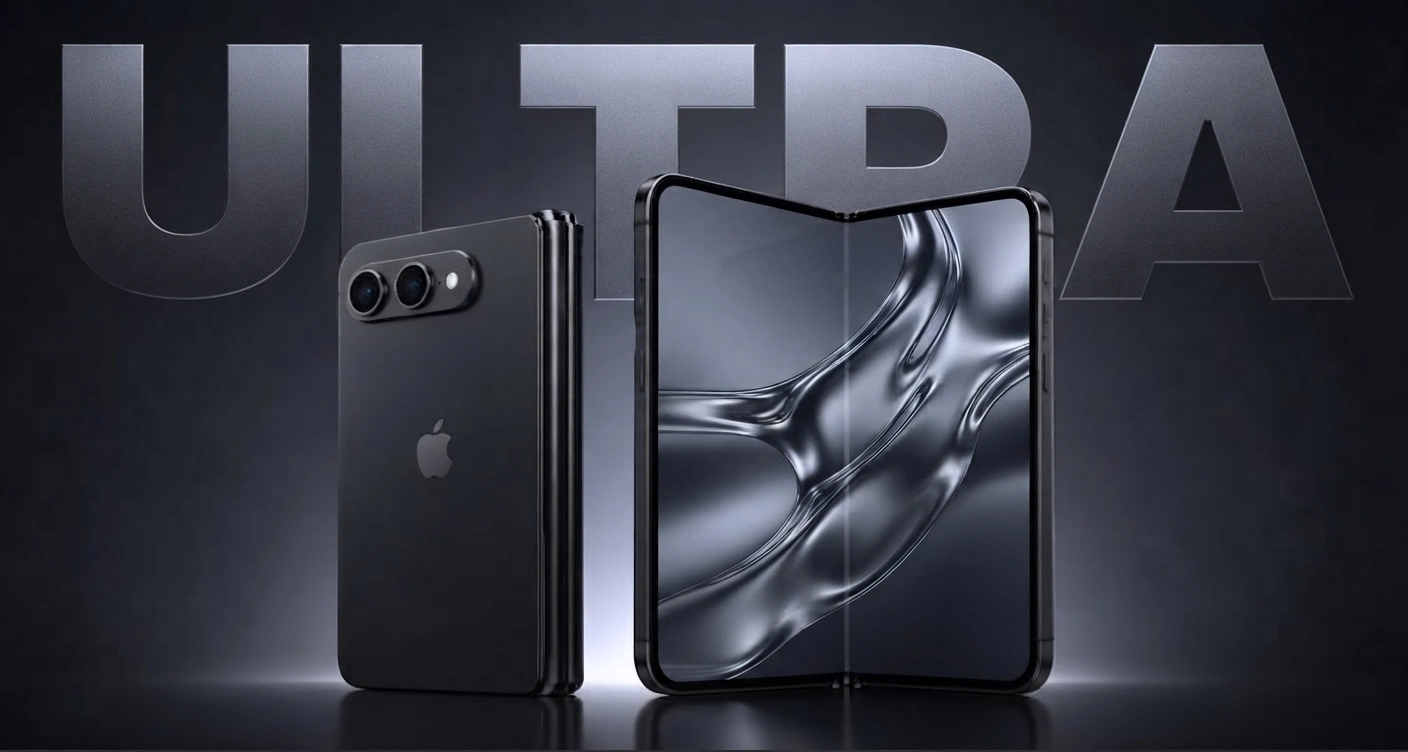
iPhone Ultra repair costs: what buyers should expect
Apple has not confirmed an iPhone Ultra. No spec sheet, no launch date, nothing official — just months of reports pointing to a flagship positioned above the Pro Max line. So everything below about repair costs is speculation, and it should be read that way.
What is not speculation is how Apple's past redesigns have played out once they reach a repair bench, and that history is worth thinking through before anyone commits to buying on day one.
Why a Genuine Redesign Changes the Repair Equation
Most annual iPhone updates barely touch the repair process. A faster chip, a slightly better sensor, a brighter panel — none of that changes how a technician opens the phone. A real redesign does. Shift the internal layout, swap in a new display technology or a different chassis material, and procedures that took years to standardise can stop working overnight. The phone might look familiar from the outside. Inside, it can be a different device entirely.
An Ultra above the Pro Max could well introduce parts that have never appeared in an iPhone before. New hardware, almost by definition, means slower and pricier repairs early on, since neither the parts suppliers nor the independent shops have had time to catch up.
Where the Cost Is Likely to Concentrate
Screens tend to dominate flagship repair bills, and there is little reason to think an Ultra would be different. Apple currently charges around £389 for an out-of-warranty screen swap on the iPhone 16 Pro Max; UK third-party specialists typically undercut that, landing somewhere between £150 and £300 depending on part quality. If the Ultra ships with new panel technology, expect prices toward the top of that range, or above it, until supply settles down.
Batteries are a smaller worry, at least in principle. Lithium-ion cells degrade with use regardless of who makes the phone. A battery swap is usually more straightforward than a screen repair, though the final price depends on how the cell is mounted inside the Ultra's chassis — worth weighing in for anyone planning to hold onto the device for years, rather than treating it as a footnote.
Cameras are harder to predict. A genuinely new camera system would likely mean scarce, costly replacement modules for the first several months, simply because that is what happens before a part becomes common enough for prices to settle. Ask again in a year and the number will probably look different.
Back glass is the one people underestimate. A cracked rear panel looks cosmetic, and often is, but a hard impact can reach the frame, the camera housing, or a connector just beneath the surface. This is already true of current iPhones, and new materials on the Ultra would not change the logic — a proper inspection remains the only way to know what a repair really needs to cover.
Current iPhone Pro Max Repair Costs, for Comparison
The figures below reflect present-day UK pricing on the iPhone 16 Pro Max — the closest real proxy available for what an Ultra might cost, at least until Apple says otherwise.
- Screen replacement – Apple: ~£389; Independent: £150–£300; With AppleCare+: £25
- Battery replacement – Apple: ~£95–£105; Independent: £50–£90; With AppleCare+: often free below 80% health
- Camera module – Apple: ~£100–£200 (part-dependent); Independent: £80–£160; With AppleCare+: varies by fault
- Back glass / housing – Apple: often bundled with other repairs; Independent: £70–£150; With AppleCare+: varies by fault
These figures shift as Apple adjusts its pricing and shops compete on sourcing, so treat the table as a snapshot rather than gospel. For the first six to twelve months of an Ultra's life, expect the upper end of these numbers, maybe higher, until parts supply catches up.
Would a Thinner Phone Be Harder to Fix?
Some of the Ultra rumours point to a noticeably thinner chassis. If true, components would sit closer together, leaving a technician less room to work around cables and connectors without damaging something. That does not automatically make a phone poorly repairable, but it does raise the skill required, and that tends to show up in labour charges rather than parts prices. New frame materials carry a similar effect, since a different alloy or composite often calls for different tools.
Parts Supply After Launch
New iPhone components are reliably harder to find right after release than parts for a model that has been out for a year. Suppliers need time to build stock, and repair shops are reluctant to commit shelf space to a part they are not yet confident they will need often. Early Ultra repairs, going by past launches, could take longer and cost more than the same job done six months later, once the supply chain settles.
UK Repair Law: What Actually Applies Right Now
UK Right to Repair rules, in force since July 2021, cover washing machines, dishwashers, refrigeration units and televisions. Smartphones were left out entirely, a notable gap next to EU rules, which already require manufacturers to support phone repairs.
That is set to change. The UK government has announced plans to extend coverage to smartphones and tablets from 1 July 2027, requiring seven years of spare-parts availability and battery designs that allow replacement. Until that date arrives, an Ultra bought before mid-2027 sits outside those specific protections, though the general rights under the Consumer Rights Act 2015 still apply to any goods that turn out faulty. The guarantees covering a washing machine do not automatically extend to a phone. Not yet, anyway.
Buy at Launch, or Wait?
If owning the newest design on day one matters most, buy it, and accept that repair costs and turnaround times may be unpredictable at first. If minimising long-term cost matters more, there is a real case for waiting: parts supply improves, technicians build experience, and pricing stops being guesswork once actual repair data exists.
None of this means the Ultra would stay expensive to fix forever. It just means the first few months carry more uncertainty than a phone that has already found its footing on the market.
A Practical Note Before You Buy
The purchase price is only one line in the overall cost of owning a premium phone. Screen damage, battery wear, camera faults, the occasional drop — these accumulate over years, and are worth thinking about before the purchase, not after the first crack shows up.
At JD Phones, we repair iPhones for customers across the UK, through a mail-in service and at walk-in locations in Newcastle, Sunderland and Heaton. Screens, batteries, charging ports and other hardware faults are diagnosed and fixed on-site, with labour and parts covered under warranty, subject to our standard terms. A proper assessment of your current phone might turn out to be the smarter move, rather than upgrading simply because a new flagship has turned up in the headlines.
Frequently asked questions
Has Apple confirmed the iPhone Ultra?
No. It remains unannounced at the time of writing. Everything about its design and positioning is still speculation.
Would an Ultra cost more to repair than a Pro Max?
It might, especially if Apple introduces components without an established supply chain yet. Nobody will know the real gap until the device exists and pricing beds in.
Would a redesign necessarily make repairs harder?
Not necessarily — some changes complicate a repair, others simplify it. A dependable picture only forms once technicians have actually opened the finished hardware, not before.
Why do repairs often cost more right after a launch?
Parts are scarce, and shops need time to find reliable suppliers and get familiar with a new design. Both problems tend to resolve within a few months.
Should I wait before buying an iPhone Ultra?
If repair cost genuinely worries you, yes — a few months brings more clarity on faults, pricing and turnaround. If having the newest phone matters more to you than that uncertainty, it should not be the deciding factor.
Is repairing an older iPhone a better option than buying an Ultra?
Usually, if the phone is otherwise sound. A battery, screen or charging port issue on an otherwise healthy device is almost always cheaper to fix than to replace the whole thing. A professional diagnosis will settle the question faster than guessing.
Repair decisions are easier with the right diagnosis
The right repair starts with a clear diagnosis. If your device is cracked, draining quickly, not charging, overheating, water damaged, or simply unreliable, JD Phones can inspect it, explain your options, and help you choose the repair that makes sense.