
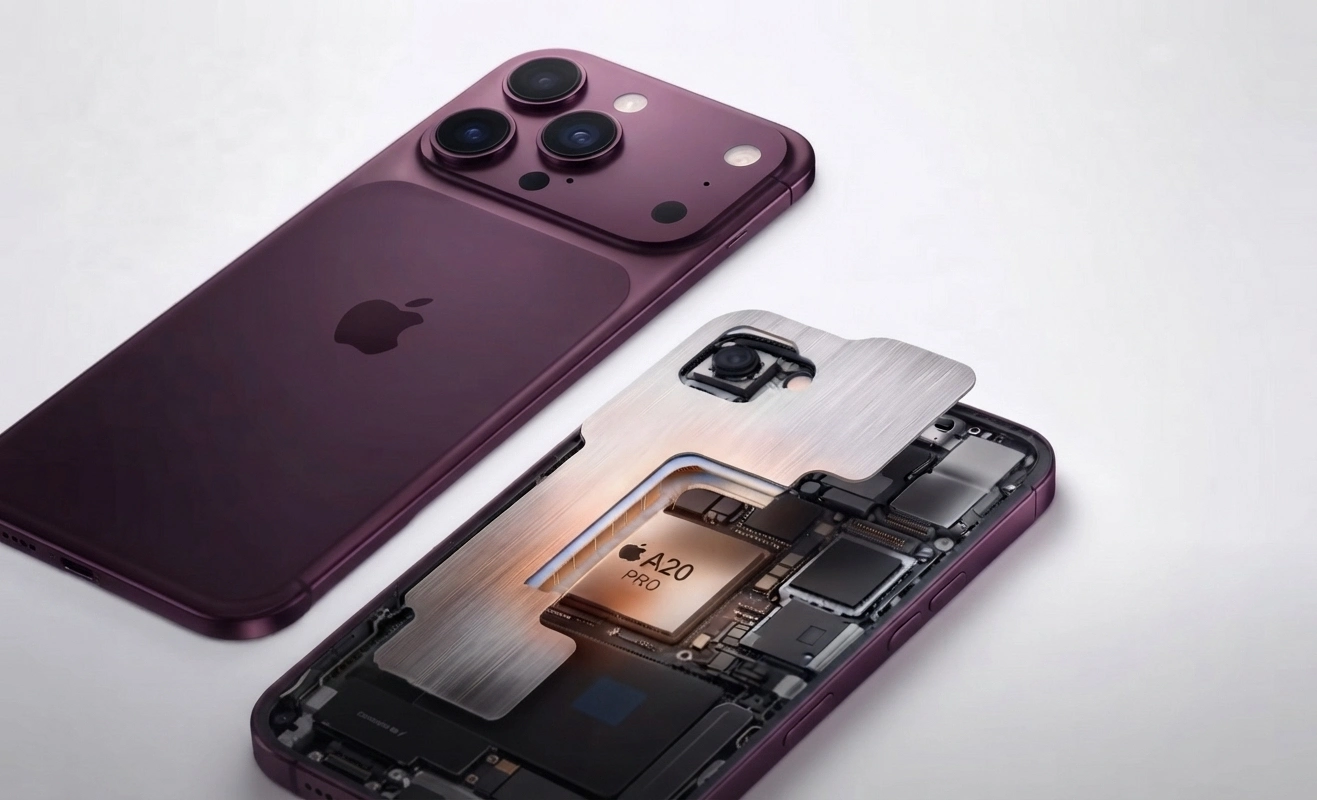
iPhone 18 Series: What Changes Could Mean for Repairability
Every Apple launch gets picked apart for camera specs and chip benchmarks. Repair cost barely gets a mention, yet it is the number that actually matters three years in, once the phone has been dropped twice and the battery struggles past lunchtime.
Nobody knows the exact iPhone 18 specification yet. Apple will confirm processors, camera hardware, and whatever design tweaks it has planned closer to release, and history suggests none of it will be radical. But repair work does not need a radical redesign to get harder. Move a component two millimetres and a technician needs a different tool. Switch the adhesive and a ten-minute battery job becomes a thirty-minute one. None of that shows up in a spec sheet.
A phone can look the same from across the room and still be a completely different job to open up.
Screens Still Cost the Most
This has been true for years and there is no reason to expect the iPhone 18 to break the pattern. The display is, more often than not, the single most expensive part in the phone.
Apple fuses the screen, the touch layer, and usually a few sensors into one sealed unit these days. Trying to separate those layers to save money rarely works out, so a full assembly swap is the standard fix when the glass goes. What that costs comes down to the model, which panel technology it uses, and whether the same drop knocked something else loose too. Pro models, running more advanced screens, tend to sit higher on the price list.
A drop that cracks a screen is rarely a clean, isolated event. Worth checking the frame and camera glass before assuming the display is the only casualty.
Batteries Wear Down, No Matter the Model
Lithium-ion batteries lose capacity. That is chemistry, not a fault, and it happens to every single iPhone eventually. Shorter battery life. Random shutdowns at twenty percent. A phone that lives on the charger by year two.
Swapping the battery buys real time, often years of it, for a fraction of what a new phone costs. Whether that job is quick or a headache depends on how Apple has glued the thing in. The last several generations have leaned on adhesive strips that need patience to remove properly, since rushing it risks tearing a flex cable that sits right underneath.
Apple has not confirmed how the iPhone 18 handles this. Recent form suggests more of the same.
Camera Parts Will Likely Be Expensive at First
Say the iPhone 18 Pro gets a genuinely new camera system. Replacement modules will cost more in month one than they will in month six. That is not really an Apple thing, it is how parts markets work generally: demand shows up on day one, supply takes longer to catch up.
Give it time and the price comes down. More phones in circulation means more suppliers stocking compatible parts, and repair shops competing on price rather than scarcity. A quote taken two weeks after launch is not a reliable guide to what the same repair costs by autumn.
Ask about parts before booking anything in that first stretch. Saves a wasted trip.
Tightly Packed Hardware Makes Repairs Harder
There is not much spare room inside an iPhone. Components sit stacked against each other, wired through one another in places, so reaching one damaged part often means moving three that were fine to begin with.
This is where a bad drop gets expensive in ways that are not obvious at first glance. The screen cracks, sure, that is the visible bit. But the same impact can nudge a camera out of alignment, stress a charging port, or loosen a connector that will not actually fail for another fortnight. A diagnostic done properly, before anyone touches a screwdriver, is what catches the second fault before it becomes a second bill.
Skip that step and customers sometimes pay twice. Once for the crack, once for whatever the crack was hiding.
Getting Parts in the UK
Fresh iPhones are short on parts across the trade for the first few months. Always are. Supply settles down once the model has been out long enough for suppliers to catch up.
UK repairability rules help, to a point. They push for better access to spare parts and longer device lifespans, and that is genuinely useful for independent repairers, not just customers. What the rules do not do is guarantee stock. A shop can be fully compliant and still not have the part sitting on a shelf during launch week.
Which is really just to say: ask before you book, especially early on.
Buy Now, or Wait
If the plan is to keep the phone for years, repair cost alone is not a reason to hold off on buying at launch. Prices settle across most models within about a year, once the parts market fills in behind them.
Anyone genuinely nervous about long-term ownership costs might prefer to wait a few months regardless. By then the common faults are documented, technicians have seen enough of the hardware to move fast, and pricing reflects an actual market rather than launch-week guesswork.
Repair or Replace
One clean fault, a cracked screen, a tired battery, a charging port that only connects if you hold the cable at an angle, is usually cheaper to fix than to walk away from. A proper diagnostic settles whether that is really the only issue, because sometimes it is not, and that changes the maths.
At JD Phones, we handle repairs and diagnostics for customers across Newcastle, Sunderland, and Heaton, plus a mail-in service for anyone further out. We diagnose before we repair, every time, so nobody is paying to fix the wrong thing. Labour and parts are covered by a lifetime warranty, subject to our standard terms.
Buying new or holding on to what you have, a proper look at the phone's actual condition is worth more than a guess.
Frequently asked questions
Will the iPhone 18 cost more to repair than the iPhone 17?
Nobody can say for certain yet. It rides on Apple's final hardware choices, how easy the parts are to source, and how fiddly the repair turns out to be in practice. Pro models tend to run higher, given the more advanced components involved.
Does a screen repair affect Face ID?
Not if the job is done right. The sensors sit close to the display hardware and need careful handling, which is exactly why this is not a repair to hand to someone cutting corners.
Will parts be expensive right after launch?
Almost certainly, yes, for a few months at least. Stock is thin, demand is high, and prices reflect that until suppliers catch up.
Is a battery replacement worth doing on the iPhone 18?
If the rest of the phone still works well, generally yes. It buys meaningful extra life for a fraction of what a replacement phone costs.
Should I repair my current iPhone rather than buy an iPhone 18?
If there is one fixable fault, often yes. A diagnostic will tell you whether that is actually the whole story.
Does UK Right to Repair law make repairs cheaper?
Not directly, no. It widens access to parts and keeps devices in service longer, but it does not fix a price. That still comes down to the part itself, the labour, and how complicated the job is.
Repair decisions are easier with the right diagnosis
The right repair starts with a clear diagnosis. If your device is cracked, draining quickly, not charging, overheating, water damaged, or simply unreliable, JD Phones can inspect it, explain your options, and help you choose the repair that makes sense.